A simple overview of what a stroke is, what happens next, and how the recovery journey can continue beyond acute rehabilitation.
What Is a Stroke?
A stroke occurs when blood flow to part of the brain is interrupted. Without oxygen-rich blood, brain cells can become damaged or die within minutes. A stroke is a medical emergency. Call emergency services immediately.
A stroke requires immediate medical attention.
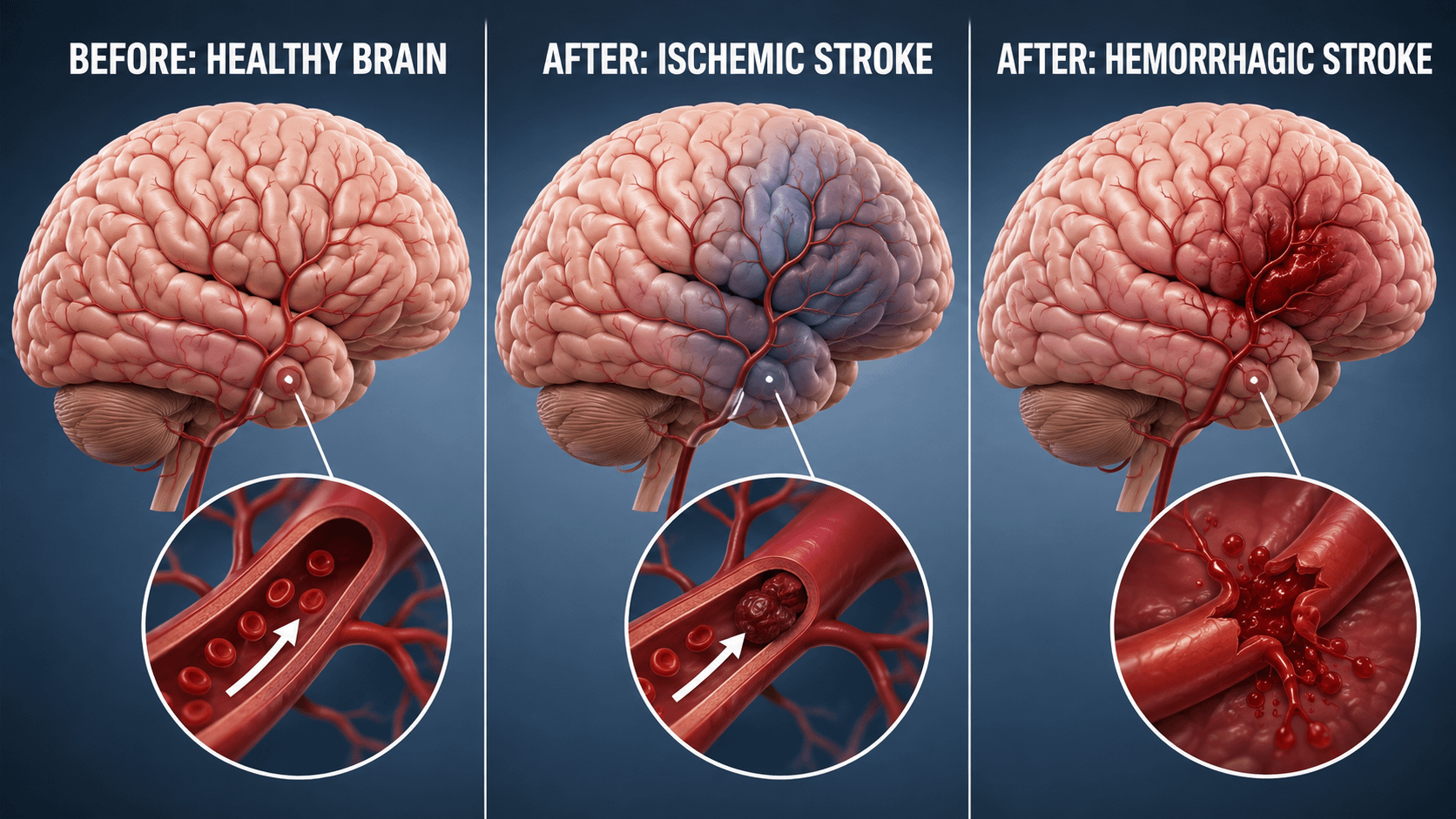
What are the main types of stroke?
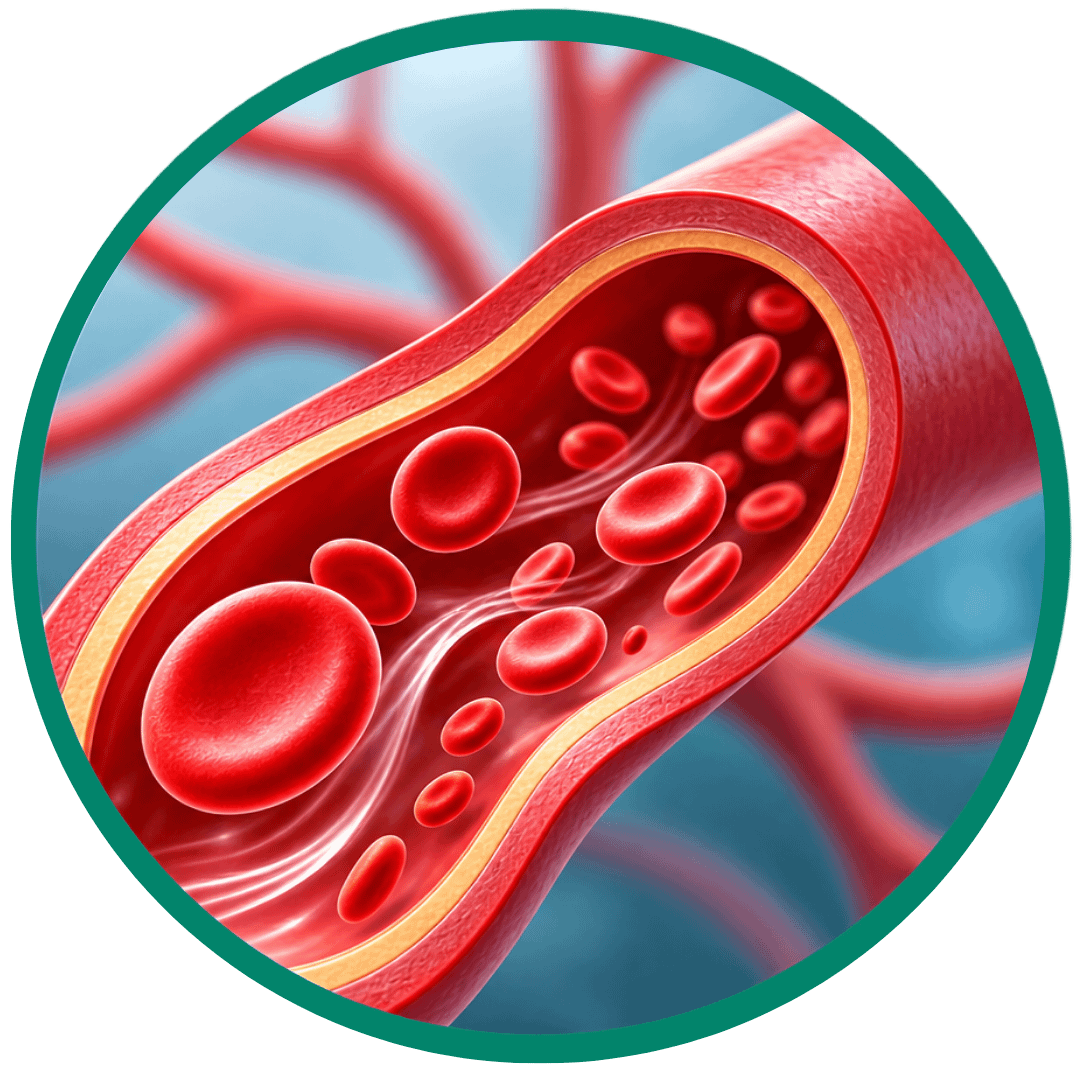
Ischemic Stroke: An ischemic stroke occurs when a blood clot blocks or reduces blood flow through an artery supplying the brain.
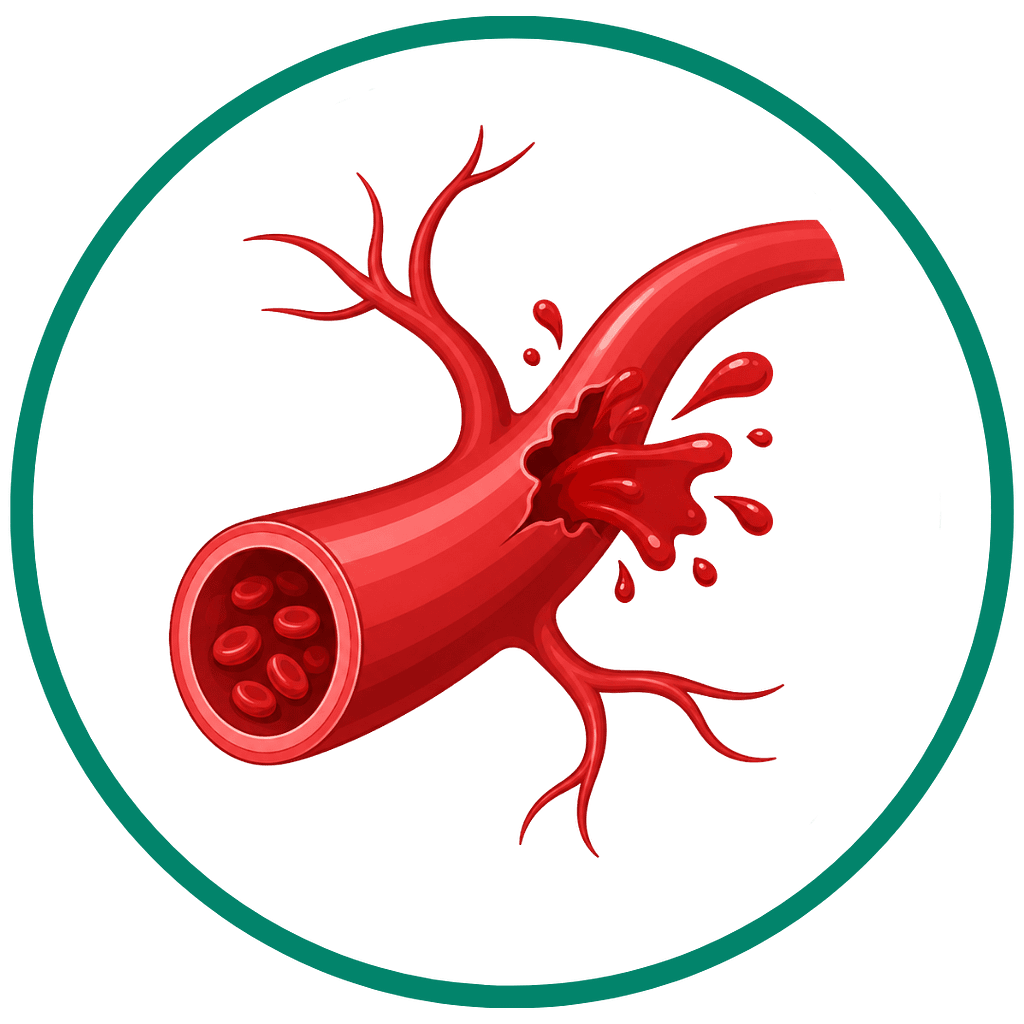
Hemorrhagic Stroke: A hemorrhagic stroke occurs when a blood vessel in or around the brain ruptures, causing bleeding that can damage surrounding brain tissue.
How can you recognize the warning signs of a stroke?
Stroke symptoms can appear suddenly. Remembering BE FAST can help identify common warning signs.
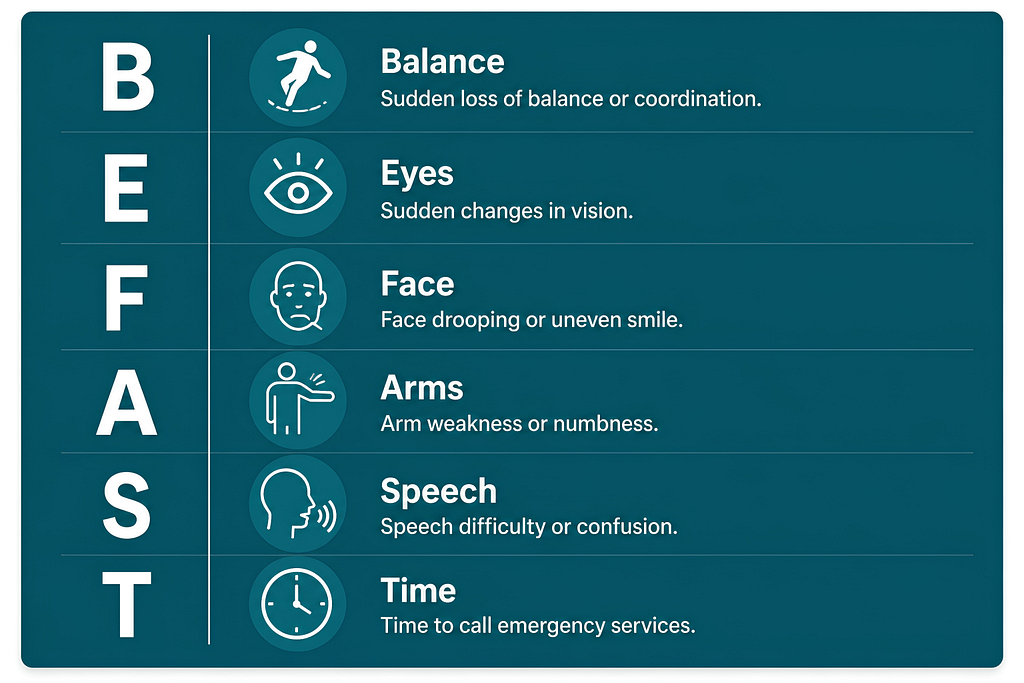
If stroke is suspected, seek emergency medical attention immediately.
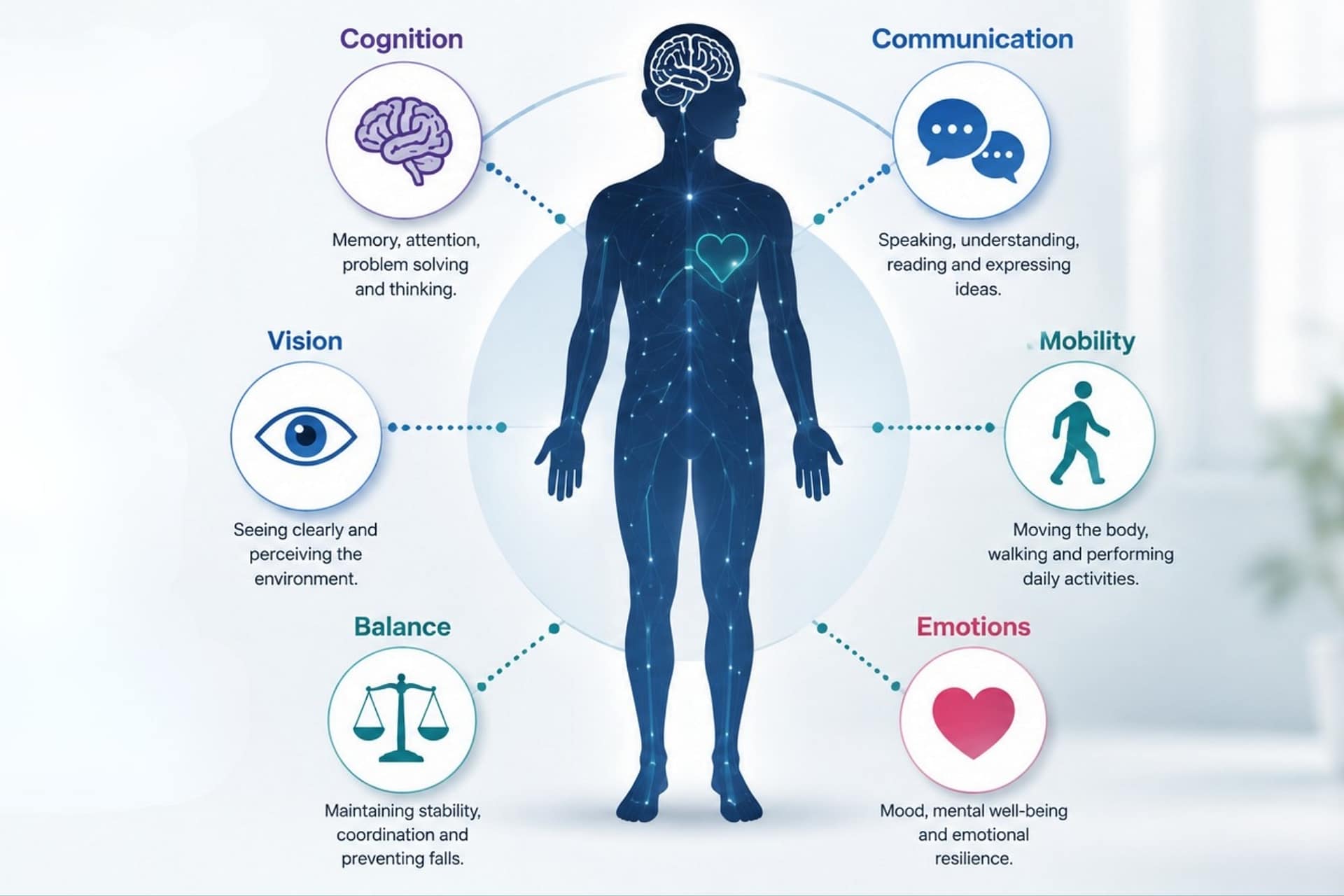
What can change after a stroke?
The effects of a stroke vary from person to person and depend on factors such as the area of the brain affected and the severity of the stroke.
Some survivors may experience changes in mobility, balance, strength, speech, communication, swallowing, vision, cognition, emotions, or the ability to perform everyday activities.
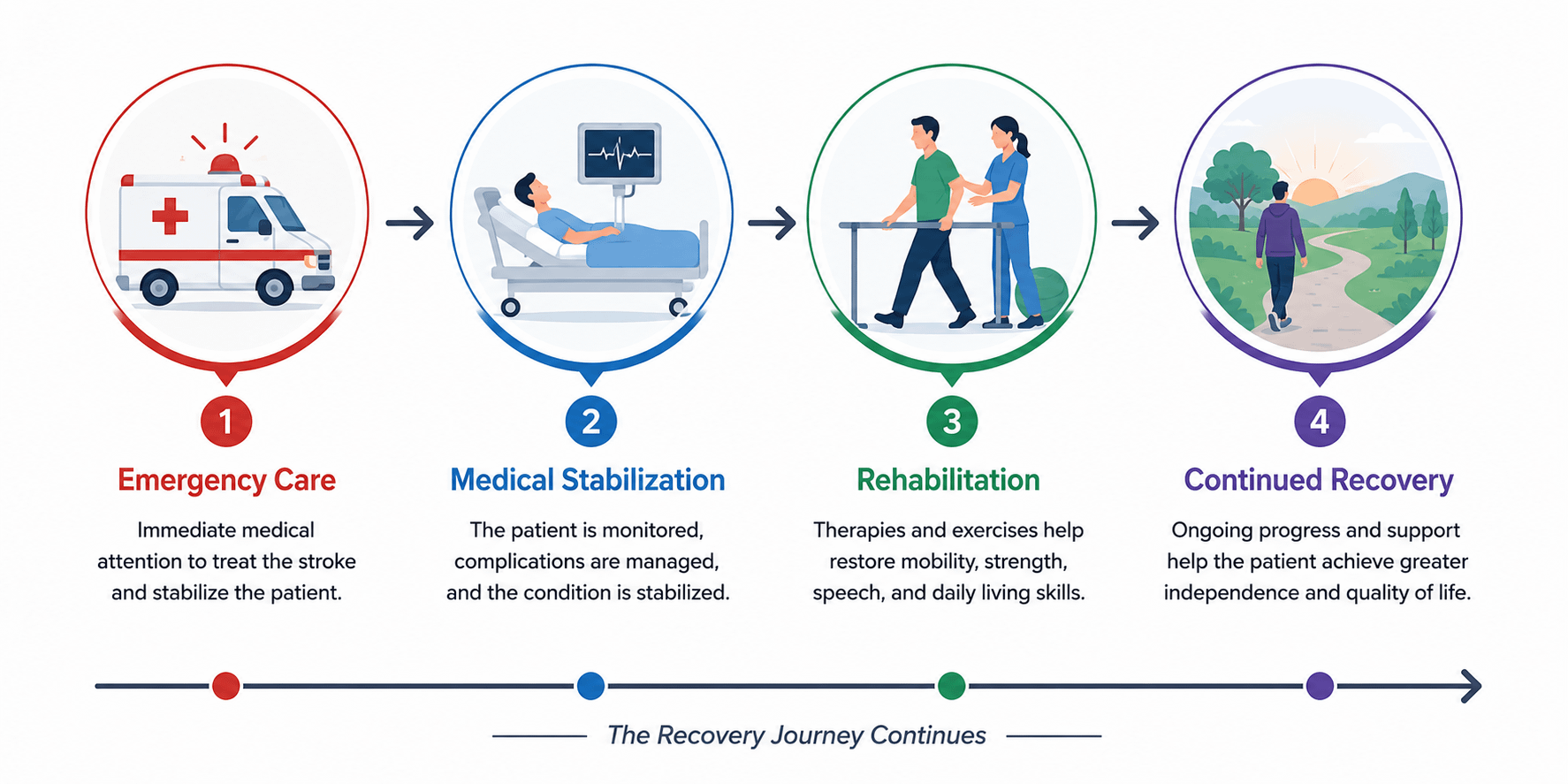
What happens after the emergency phase?
Once a patient is medically stable, attention may begin to shift from emergency treatment toward rehabilitation and recovery.
Depending on the individual’s needs, rehabilitation may address movement, strength, communication, cognitive skills, swallowing, self-care, and everyday activities.
What is stroke rehabilitation?
Stroke rehabilitation is a structured process designed to help survivors regain abilities, adapt to changes, and become as independent as possible.
Depending on individual needs, rehabilitation may include physical therapy, occupational therapy, speech and language therapy, cognitive rehabilitation, nutritional support, psychological support, and other specialized services.
Does stroke recovery end after rehabilitation?
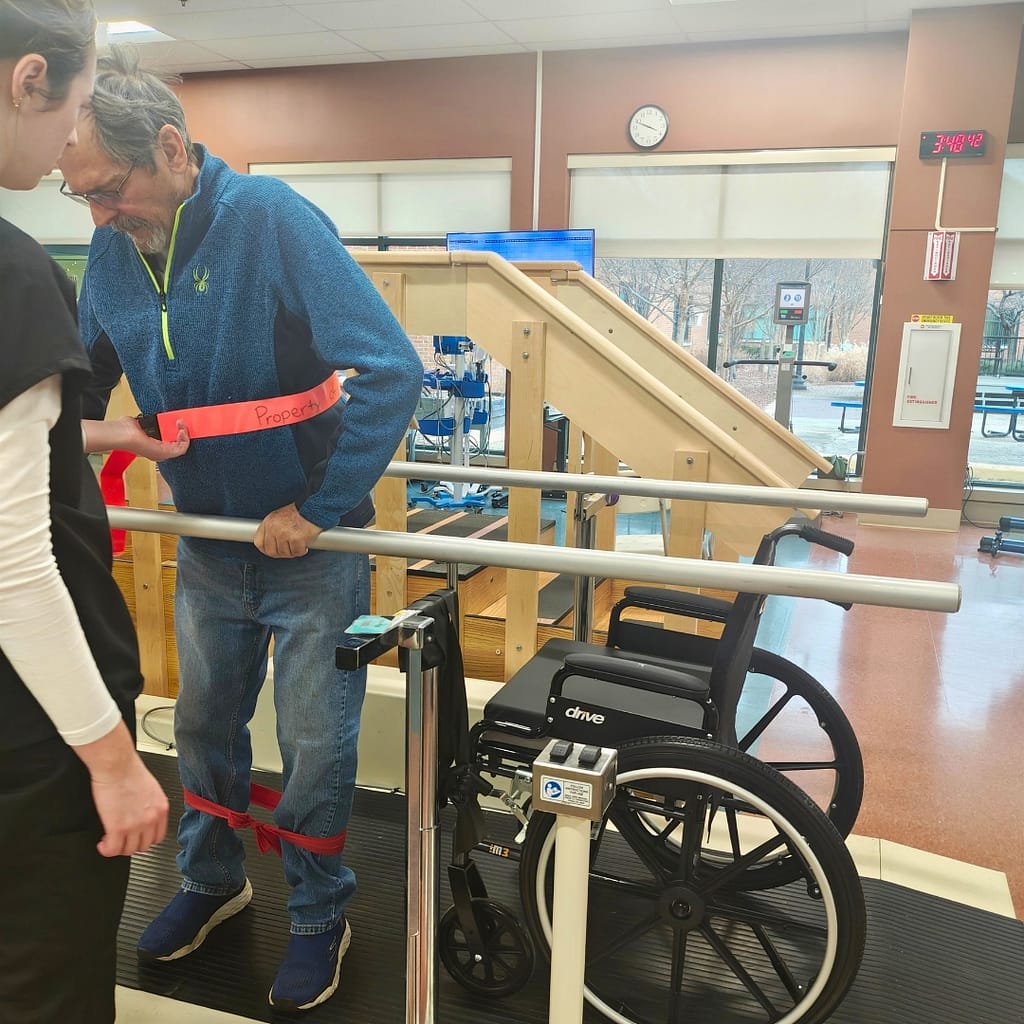
Recovery does not necessarily end when acute rehabilitation ends. For some survivors, recovery and rehabilitation can continue for months or even years as needs, abilities, and goals evolve.
Continued recovery may involve working on mobility, communication, cognitive skills, daily activities, independence, and adapting to life after stroke.
Recovery is a journey, not a destination.
What Comes Next?
Every recovery journey is different. For some patients and families, the next step may include exploring additional rehabilitation and recovery options.
The Two Main Types of Stroke
Ischemic Stroke
A blood clot blocks an artery supplying the brain. This causes approximately 87% of strokes.
Hemorrhagic Stroke
A weakened blood vessel ruptures, causing bleeding in or around the brain.
Remember BE FAST
Recognizing the signs of stroke and acting quickly can be critical.
From Understanding Stroke to Experiencing Recovery
Every recovery journey is different. Dave’s experience shows one personal path from stroke and acute rehabilitation into an ongoing recovery process.